
How to Remove Car Odors That Keep Coming Back
- Chuck Todd
- Jul 3
- 6 min read

That stale smell usually tells you one thing - the odor is not the real problem. It is the leftover result of food spills, moisture, smoke, pet hair, mildew, or bacteria hiding in fabric, under seats, and inside the vents. If you want to know how to remove car odors, the fix starts with finding the source, not covering it up with an air freshener.
A car interior is full of soft surfaces that absorb smells fast. Carpet, cloth seats, headliners, floor mats, trunk liners, and even the cabin air system can hold odor long after the visible mess is gone. Some smells are easy to handle with a thorough cleaning. Others need deeper extraction, disinfecting, or professional attention.
How to remove car odors the right way
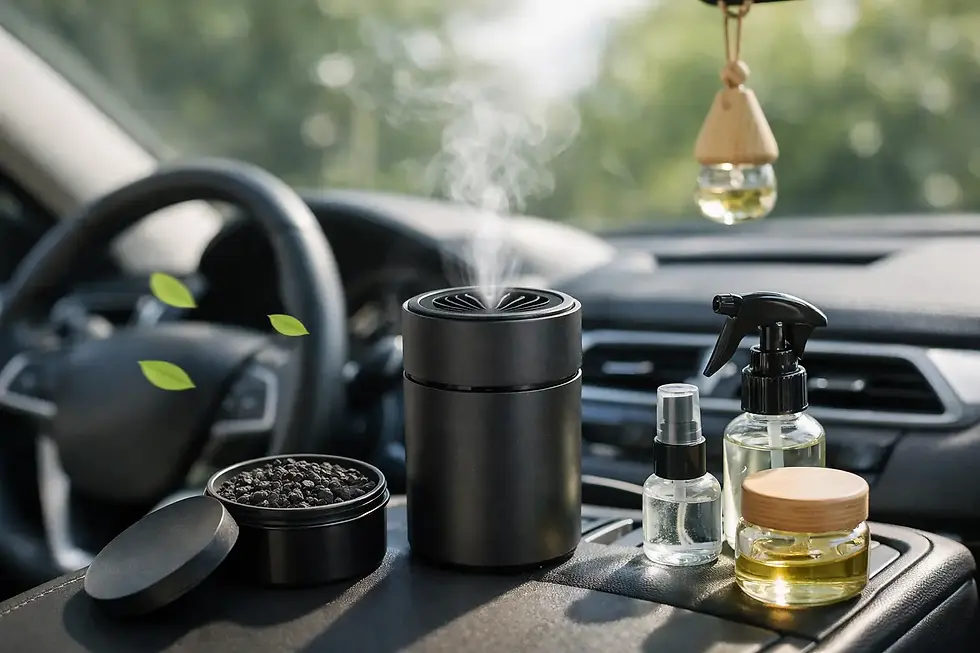
The first step is simple - stop treating the symptom. Sprays and hanging fresheners can make a car smell better for a day or two, but they rarely solve the issue. If the odor keeps coming back, something inside the vehicle is still dirty, damp, or contaminated.
Start by removing everything that does not belong in the car. Empty the cup holders, seat pockets, console, trunk, and under-seat areas. Old takeout bags, spilled drinks, gym clothes, pet blankets, and forgotten kids' snacks are common causes. Once the clutter is gone, you can inspect the interior properly.
Next, vacuum thoroughly. Go beyond the open floor areas and use a crevice tool around seat rails, under mats, between seats, and in the trunk. Loose debris holds odor, especially when it mixes with humidity. If you stop at a quick surface vacuum, you leave a lot behind.
After vacuuming, check for specific odor sources. A sour smell often points to moisture or mildew. A sweet but unpleasant odor can come from spilled soda or juice. Smoke leaves a dry, lingering smell on nearly every surface. Pet odors usually settle into carpet and seat fabric. Rodent-related smells are more serious and may come from droppings, nesting material, or contamination in hidden areas.
Clean the material that is holding the smell
Different interior materials need different cleaning methods. This is where many DIY jobs go wrong. Using too much product, oversaturating fabric, or using the wrong cleaner can make the smell worse instead of better.
Carpet and floor mats
Carpet is one of the biggest odor traps in any vehicle. If a spill soaked into the carpet pad, the top layer may look clean while the odor sits underneath. Remove the floor mats and clean them separately. Rubber mats can usually be scrubbed and rinsed. Carpet mats need vacuuming, spot treatment, and enough drying time.
For the carpet itself, use an interior-safe fabric cleaner and work section by section. Light agitation helps lift embedded dirt. If the odor comes from a drink spill, pet accident, or damp carpet, extraction is usually the better option. Pulling dirty moisture out matters more than just adding cleaner on top.
Cloth seats
Cloth seats absorb odor quickly and hold it deep in the foam. Spot cleaning helps with small issues, but if the smell is spread across the entire seat, surface cleaning may not be enough. Use a fabric-safe cleaner sparingly and avoid soaking the cushion. Too much moisture can create a mildew problem if the seat does not dry fully.
If the odor is strong or has been there for a while, a deep interior cleaning with extraction is often the most effective fix.
Leather and vinyl
Leather and vinyl do not absorb odor like cloth, but they can still carry smells from smoke, food residue, body oils, and spilled liquids. Clean these surfaces with the right interior cleaner, then condition leather if needed. The key is to remove the film on the surface. If you only wipe lightly, the odor source may stay behind.
Headliner and hard surfaces
Headliners are often overlooked, especially in smoker vehicles. Smoke rises and settles there, which is why the smell can linger even after the seats and carpets are cleaned. Use very light cleaning methods on the headliner because too much moisture or scrubbing can damage the adhesive.
Hard surfaces like door panels, dashboard areas, consoles, and cup holders should also be cleaned in detail. Sticky residue in small areas can create a noticeable smell in hot weather.
Don’t forget the air system
A clean interior can still smell bad if the HVAC system is carrying odor through the vents. If you notice a musty smell when the AC turns on, moisture and bacteria may be building up in the system, or the cabin air filter may be dirty.
Replace the cabin air filter if it is old or clogged. This is a common fix that gets missed. If the odor remains, the vent system may need a proper treatment designed for automotive interiors. It depends on the severity. A mild musty smell may improve with a filter change and cleaning. A stronger mildew odor may need a more thorough service.
Why some car odors keep coming back
If you have cleaned the car and the smell returns after a day or two, one of three things is usually happening. The source was not fully removed, moisture is still trapped somewhere, or the contamination has spread deeper than the surface level.
This is common with spilled milk, pet accidents, smoke, and water leaks. Milk is especially stubborn because the proteins break down and continue to smell over time. Pet urine can soak into carpet padding and seat foam. Smoke can settle into fabric, vents, and the headliner. Water from a leak can create mildew in hidden areas under the carpet.
In these situations, a basic wipe-down will not solve the issue. The deeper the contamination goes, the more important extraction, targeted treatment, and full drying become.
When DIY works and when it does not
Some odors are realistic DIY projects. If the smell comes from old food, light spills, minor pet hair, or a dirty interior that just needs a reset, a careful cleaning can make a big difference.
But there are limits. If the car smells like mold, smoke, urine, rodent activity, or something you cannot identify, it is often smarter to bring in a professional detailer. The reason is not just convenience. It is knowing how to clean each material correctly, how to reach hidden contamination, and how to avoid leaving the interior too wet.
Mobile detailing is especially useful when your schedule is packed and the vehicle cannot be out of service all day. A professional can handle the interior where your car already is, which is often the difference between putting the problem off and actually fixing it.
How to remove car odors before they get worse
Odor problems are cheaper and easier to solve early. Once smells settle into padding, insulation, or the ventilation system, the job gets more involved.
A few habits make a real difference. Clean spills right away. Do not leave damp towels, sports gear, or food containers in the car. Vacuum regularly, especially if you drive kids, pets, or passengers often. If your vehicle ever gets wet inside, dry it fast. Cracked windows, wet shoes, sunroof leaks, and weather-damaged seals can all turn into mildew if ignored.
It also helps to think beyond what you can smell today. If your car has had a recent spill, flood exposure, rodent issue, or smoke exposure, the best move is to address it thoroughly before the odor becomes set in.
The fastest path to a fresher interior
If you want lasting results, focus on cleaning, extraction, and source removal - not cover-up products. Air fresheners have their place, but only after the interior is actually clean. Otherwise, you are layering scent over contamination.
For many vehicle owners, the biggest value is not just getting rid of the smell. It is getting back into a car that feels clean, comfortable, and ready to drive without embarrassment. That matters whether you are commuting to work, loading in the family, or driving for rideshare.
If the odor is minor, a careful interior cleanup may be enough. If it keeps returning, the issue is deeper and should be treated that way. On the Spot Mobile Detail helps drivers handle those tougher interior problems without adding another stop to the day. A clean car should smell clean too, and when it doesn’t, the right fix is usually deeper than a spray can.


Comments