Ceramic Protection Package Guide for Your Car
- Chuck Todd
- Aug 4
- 6 min read

A ceramic coating can make a vehicle easier to clean, improve its gloss, and add a durable layer of protection against everyday wear. But the right service is not simply about choosing the longest-lasting option on a menu. This ceramic protection package guide helps you understand what you are paying for, what results to expect, and when a ceramic package makes sense for your car, truck, SUV, or work vehicle.
For busy owners, the best protection plan is one that fits the vehicle's condition, where it is parked, how often it is driven, and how much maintenance you are willing to do afterward. A quality mobile detailing service should make those choices clear before work begins.
What a Ceramic Protection Package Does
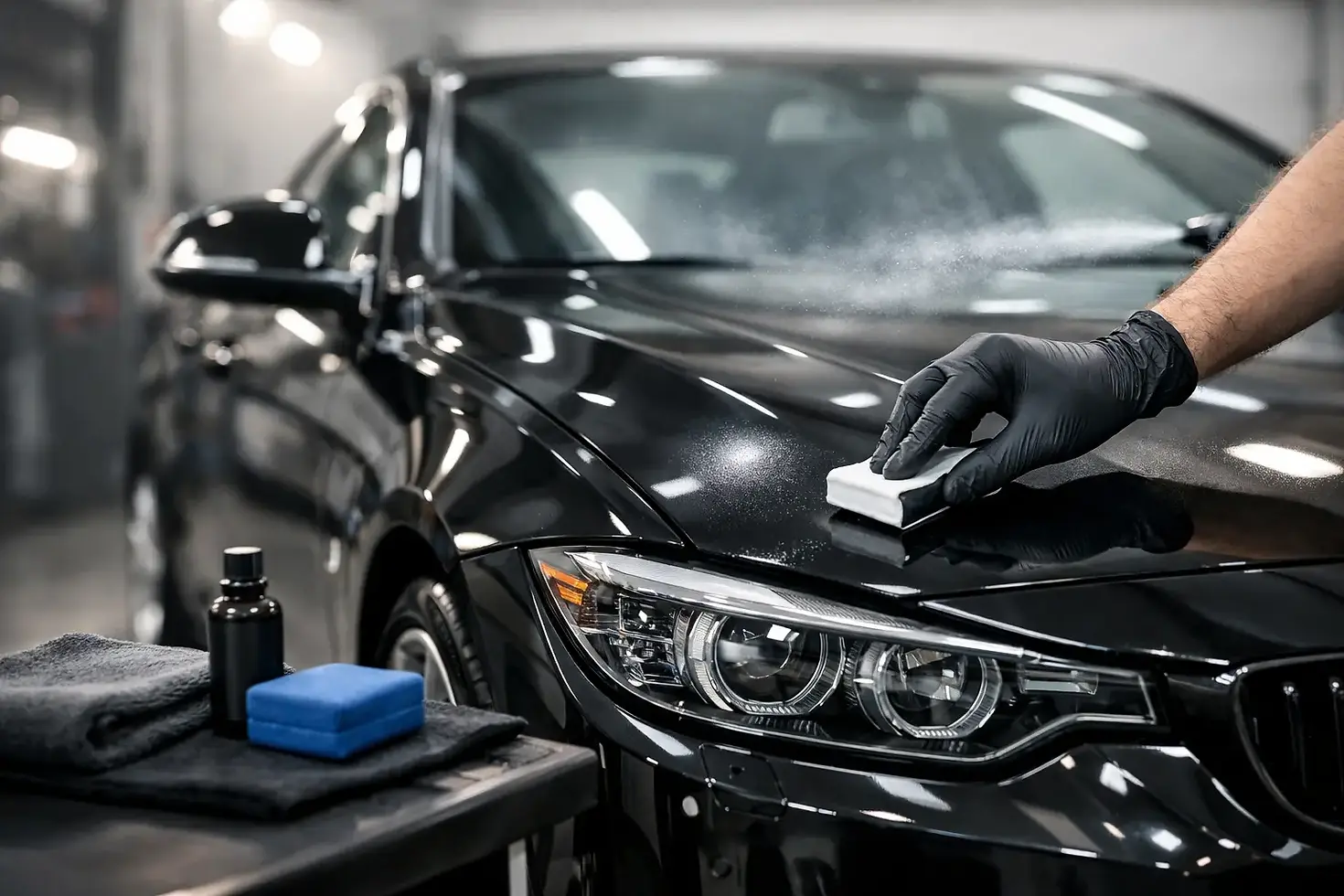
Ceramic protection is a liquid coating applied to properly prepared exterior surfaces. Once cured, it creates a hard, slick protective layer that bonds with the surface. It is designed to help resist dirt, road grime, water spotting, UV exposure, bird droppings, bug residue, and light chemical contamination.
The most noticeable benefit for many owners is easier cleaning. Water tends to bead and sheet away more readily, and dirt is less likely to cling to a coated surface. That does not mean the vehicle stays clean forever. It means regular washes take less effort, and the finish can stay looking better between details.
Ceramic coatings also bring out depth and shine in the paint. On darker colors, this can create a richer, glossier appearance. On lighter vehicles, the difference may be more subtle, but the added slickness and easier maintenance are still valuable.
A ceramic package is not paint correction in a bottle. It will not remove deep scratches, rock chips, faded clear coat, dents, or peeling paint. It also does not make a vehicle immune to damage from automatic car washes, harsh chemicals, or neglected contamination. Honest expectations are part of good protection.
Ceramic Coating vs. Wax and Sealant
Wax, paint sealant, and ceramic protection all serve a purpose, but they are not the same service.
Wax is a practical choice for owners who want a quick improvement in shine and short-term protection. It is often a good fit for vehicles that receive regular detailing or for customers who want a lower upfront cost. Depending on the product and conditions, wax protection may last weeks or a few months.
Paint sealants generally last longer than traditional wax and provide solid protection for routine driving. They are a smart middle ground for drivers who want a clean, protected finish without investing in a longer-term coating.
Ceramic protection is typically the higher-level option because of its durability, chemical resistance, and long-term maintenance benefits. The upfront investment is higher because the preparation process matters just as much as the coating itself. It is often a strong choice for newer vehicles, well-kept vehicles, luxury vehicles, daily drivers parked outdoors, and owners who want to preserve their finish over time.
The best option depends on your goals. If you need a seasonal refresh, wax may be enough. If you want longer-lasting protection and a finish that is easier to maintain, ceramic protection is worth considering.
The Prep Work Matters More Than the Bottle
A ceramic coating performs best on a clean, decontaminated, and corrected surface. Applying protection over embedded grime, oxidation, swirl marks, or old residue can lock those issues under the coating and limit the final appearance.
A professional ceramic protection package should begin with a thorough exterior wash. The vehicle may also need chemical decontamination to remove iron particles and road film, along with clay treatment to remove bonded contaminants that normal washing cannot reach. These steps help create a smooth surface for the coating.
Paint correction may be recommended if the vehicle has visible swirls, dullness, light scratches, or wash marks. Correction uses polishing techniques to improve the clarity of the paint before the coating is applied. Not every vehicle needs the same level of correction. A newer vehicle with minor defects may need a light polish, while an older vehicle may require more extensive work to achieve the result you want.
This is one area where price alone does not tell the full story. A lower-cost ceramic service may involve less prep, while a more complete package may include additional correction and surface treatment. Ask what preparation is included so you know exactly what your vehicle is receiving.
Choosing the Right Ceramic Protection Package
Start with the current condition of your vehicle. If the paint is in good shape and you mainly want protection, a package with basic decontamination and coating application may be the right fit. If the finish is faded, heavily swirled, or rough to the touch, correction should be part of the conversation.
Next, consider how the vehicle is used. A garage-kept weekend car faces different conditions than a rideshare vehicle, family SUV, or work truck that spends every day outside. Vehicles exposed to frequent sun, rain, construction dust, tree sap, and highway driving can benefit from a more durable protection plan.
Your maintenance routine matters too. Ceramic protection helps make washing easier, but it still needs proper care. If you rarely wash your vehicle or plan to run it through aggressive brush tunnels, a coating may not deliver its full value. A package should support your real routine, not an ideal one that is hard to maintain.
At On the Spot Mobile Detail, the goal is to help vehicle owners choose protection based on condition, use, and budget, without making the process complicated. Mobile service means the detailing work comes to you, so protecting your vehicle does not have to take over your day.
What to Ask Before You Book
Before selecting a ceramic package, get clear answers about the process and expected results. Ask whether the price includes washing, decontamination, clay treatment, paint correction, coating application, and curing time. You should also ask which exterior surfaces are covered. Some packages may include paint only, while others may address wheels, trim, glass, or exterior plastics.
It is also reasonable to ask how long the coating is expected to perform under normal conditions. A dependable detailer will explain that durability depends on the product, preparation, storage, driving conditions, and maintenance. Be cautious of promises that suggest you will never need to wash or care for your vehicle again.
Finally, discuss the work area. Mobile detailing can be convenient at home or work, but ceramic application needs appropriate conditions. The surface must be clean and dry, and the coating needs time to cure without being exposed to rain, heavy dust, or other contamination. A professional will assess whether your location and schedule are suitable for the service.
How to Care for Ceramic Protection After Service
The first days after application are especially important. Follow the detailer's instructions for curing time, including when the vehicle can be driven, washed, or exposed to weather. Avoid washing too soon, even if the vehicle gets dusty.
After curing, wash the vehicle regularly using pH-balanced products and clean wash tools. Do not use harsh degreasers, abrasive polishes, or strong acidic cleaners unless they are specifically safe for coated surfaces. Removing bird droppings, bug splatter, tree sap, and hard-water deposits promptly will help preserve the finish.
Touchless washes can be useful when hand washing is not practical, but they should not replace proper maintenance forever. Brush-style automatic washes can create scratches and swirls on any finish, including coated paint. If convenience is the priority, schedule routine mobile maintenance details to keep the coating performing and the vehicle looking cared for.
Is Ceramic Protection Worth It?
Ceramic protection is worth it when you want a cleaner-looking vehicle, easier maintenance, and a more durable defense against the conditions your car faces every day. It is especially valuable when paired with proper preparation and realistic follow-up care.
If your vehicle needs a quick shine before a sale or special event, a wax detail may be the better use of your budget. If you plan to keep the vehicle, want to protect a newer finish, or are tired of fighting dirt and dull paint, a ceramic package can be a practical investment.
The right next step is simple: look at your vehicle in direct light, be honest about how it is used, and choose protection that matches the condition you want to maintain. A clear conversation before booking can save you money, set the right expectations, and help your vehicle stay ready for the road.


Comments